


Explanation of the Different Types of Electric Vehicles
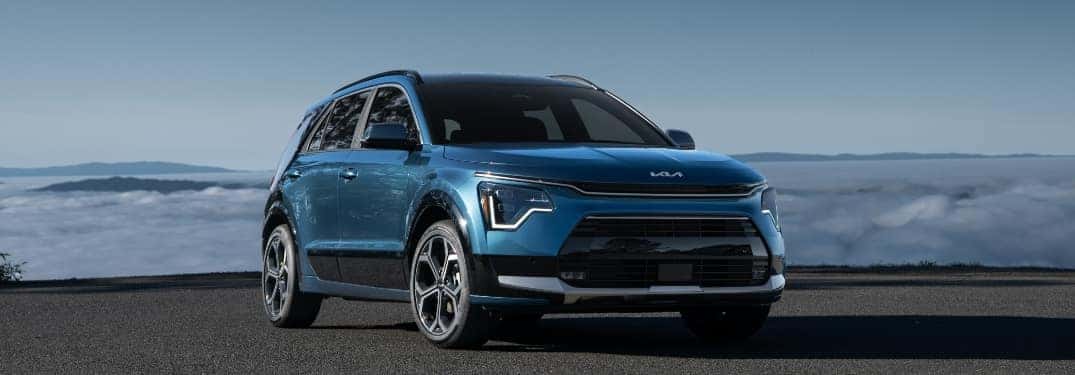
Over the course of the last few years, there have been a lot of interesting developments in the automotive industry. Among them, electric vehicles have quickly become more and more popular, accessible, and—for some people—complicated. In reality, these forward-thinking vehicles are actually becoming more and more intuitive, but we completely understand why so many people have questions about them. That said, our team at Cowboy Kia thought our loyal customers might appreciate an in-depth explanation of the different types of electric vehicles. As always, we have everything you need to know, so keep on reading below!
Battery Electric Vehicles (BEVs)
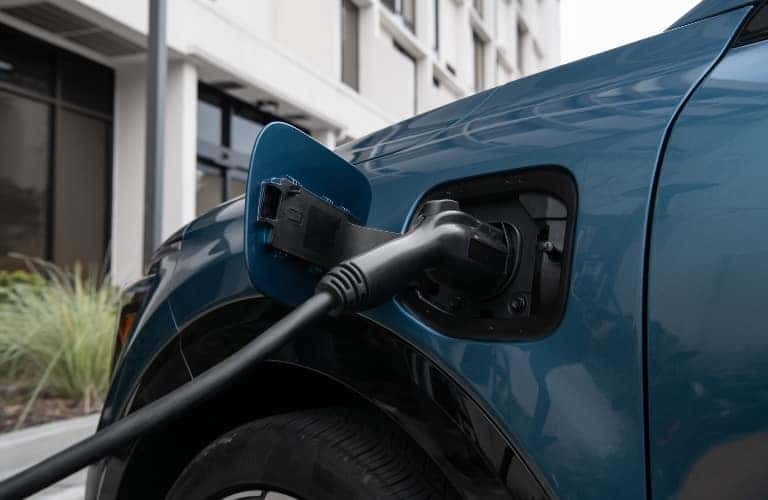
Also known as All-Electric Vehicles (AEVs), BEVs are entirely ‘fueled’ by a battery-powered electric drivetrain. The electricity that brings a BEV to life is stored in a large battery pack within the car itself; just like any other type of engine. The internal battery pack can be charged by plugging into the electricity grid via any compatible outlet. Then, once charged, the BEV’s battery pack can provide power to one or more all-electric motors which ultimately run the car.
Hybrid Electric Vehicles (HEVs)
HEVs, on the other hand, have both a gas engine and an electric motor. As one would expect, the gas engine is powered by fuel while the electric motor receives electricity from at least one battery. As for the actual movement of the vehicle, the transmission is rotated simultaneously by both the gas engine and the electric motor. The end result is a perfectly smooth, simultaneous, and dual-powered drivetrain.
Plug-in Hybrid Electric Vehicles (PHEVs)
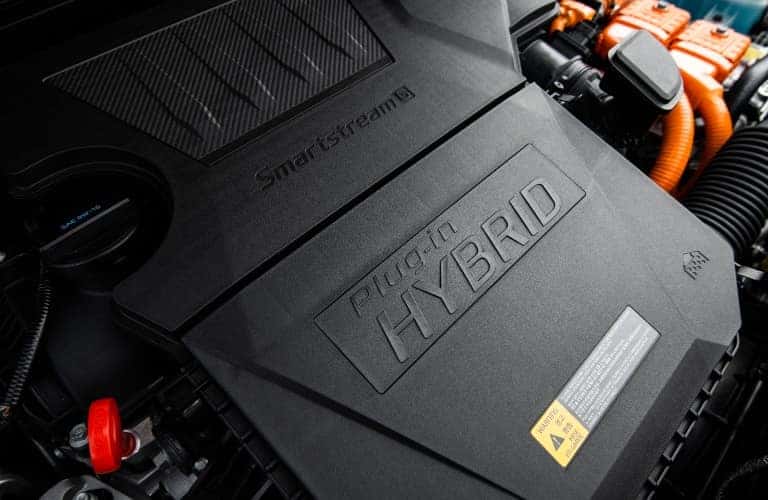
PHEVs, such as a Kia Niro Plug-in Hybrid, have both a gas engine and an electric motor – just like an HEV. On the other hand, the owner of a PHEV can choose from various fuels, such as conventional gas as well as alternative types. Furthermore, a PHEV can also be powered by a rechargeable battery pack. What’s more, a PHEV’s battery pack can be external.
Fuel Cell Electric Vehicle (FCEVs)
FCEVs, also known as Zero-Emission Vehicles, employ ‘fuel cell technology.’ By doing so, they generate the electricity that fuels the vehicle. Although it doesn’t immediately come out as electricity, the chemical energy is directly converted to electric energy. For all intents and purposes, one could essentially think of it as the next-best thing to a direct supply of electricity.
Contact Our Team at Cowboy Kia
We hope you enjoyed our explanation of the different types of electric vehicles. As stated above, we completely understand if you still have some outlying questions. If you do, please feel free to contact our team at Cowboy Kia. You can also give us a call at 936-494-0600 or visit us in person at 443 Interstate 45 S in Conroe, TX. Whether it’s answering your questions, discussing any of the electric vehicles in our new Kia inventory, or even scheduling a test drive, we will always be happy to help you. We hope to serve you soon!

0 comment(s) so far on Explanation of the Different Types of Electric Vehicles